

The rules changed. Most people didn’t get the memo.
Google’s algorithm has gotten ruthless about distinguishing real authority from manufactured authority. The old playbook — blast out guest posts, buy links from random sites, spin up a PBN — doesn’t just stop working. It actively gets your site penalized now.
But here’s what’s true: backlinks still matter enormously. Backlinks remain the #2 ranking factor in 2026, right behind content quality. The game didn’t end. The game got harder.
This guide covers link building strategies that actually work right now — ethical, sustainable, and built for how Google thinks in 2026.
What is link building in SEO?
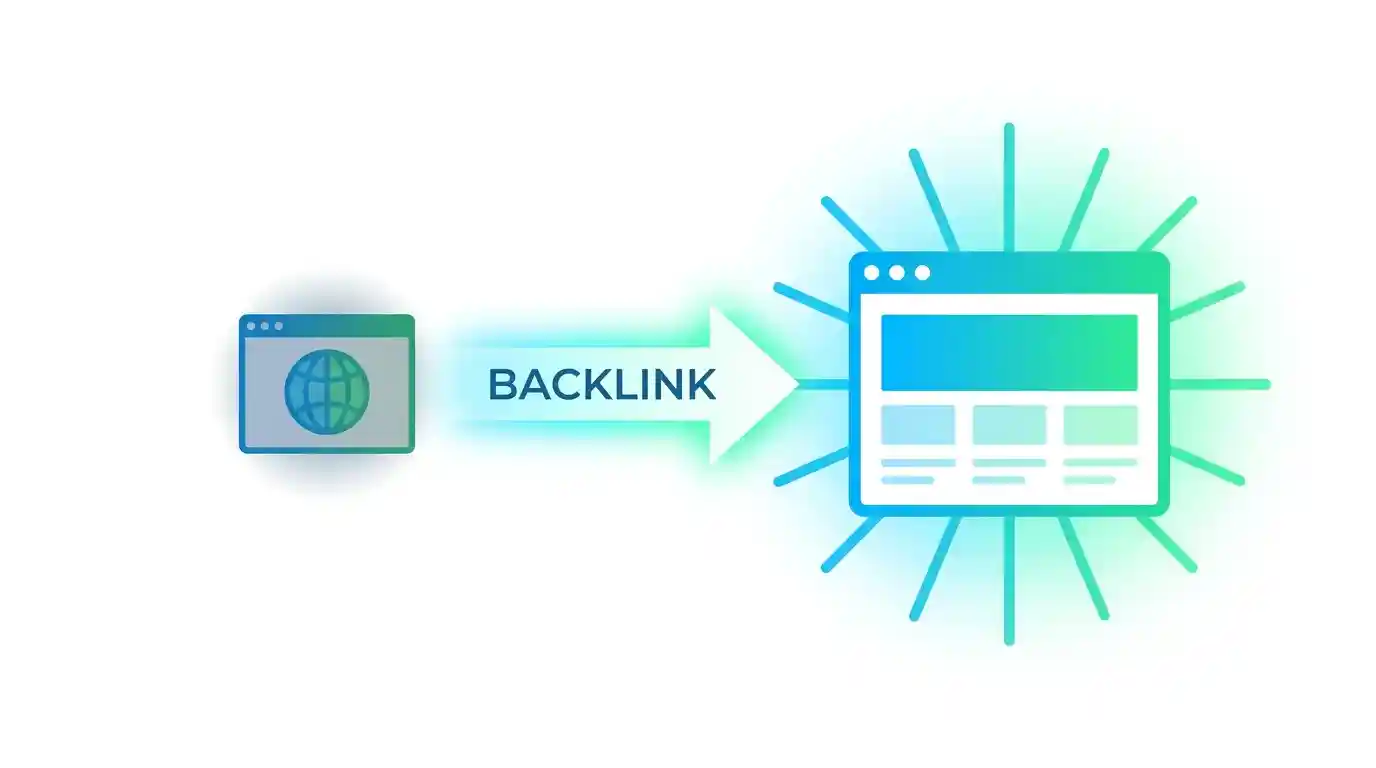
Link building is the process of getting other websites to link to yours. Each link acts as a vote of confidence. When a high-authority, topically relevant site links to your content, Google takes that as a signal that your content is worth ranking.
But “a vote” is too simple a metaphor now. Google evaluates the quality of the vote, the relevance of the voter, and whether the vote looks natural or bought. It’s less like a ballot box and more like a recommendation from someone whose opinion actually means something.
If you want to understand how Google also evaluates your overall site authority beyond links, read our guide on E-E-A-T: How Google Judges Your Website’s Authority.
Why link building still matters in 2026
Some people declared link building dead after Google’s spam updates. They were wrong.
What died was low-quality link building. Editorial backlinks from relevant, authoritative domains still directly correlate with higher rankings. A study by Ahrefs found that pages with more referring domains consistently rank higher for competitive keywords.
The shift is this: Google is much better at detecting unnatural link patterns now. Link velocity spikes, anchor text manipulation, and link farms all trigger algorithmic filters. The bar for what counts as a “good” backlink went up significantly.
This means the strategies that work in 2026 require more effort, more creativity, and more patience. But they compound. A solid backlink profile built over 12 months is nearly impossible for a competitor to replicate quickly.
For context on how long the full SEO process takes, see our article on how long SEO takes to show results.
The 7 link building strategies that actually work right now
1. Digital PR: earn links at scale
Digital PR is probably the highest-ceiling strategy available in 2026. The concept is simple: create something genuinely newsworthy, then pitch it to journalists and publications.
What counts as newsworthy? Original research. Proprietary data. Surveys with surprising results. A study you ran on your own customers. A dataset nobody else has published.
When a major publication covers your research and links back to the original source, that’s a DR 80+ editorial backlink that costs you nothing beyond the time to create the asset and write the pitch. Compare that to paying $300 for a guest post on a DR 35 site, and the ROI math isn’t close.
The hard part is the pitch. Journalists get hundreds of pitches a day. Yours needs a genuine news hook, a compelling data point in the subject line, and a connection to something they’ve already written about. Generic “I think your readers would love this” emails get deleted immediately.
2. Broken link building (refined for 2026)
The broken link building strategy works like this: find a broken link on a relevant, authoritative page. Create content that fills the gap. Reach out to the webmaster with a helpful note pointing out the broken link and suggesting your content as a replacement.
This still works, but the old approach of mass-targeting any broken link you find is inefficient now. Focus only on broken links that sit on pages with real traffic and genuine authority. A broken link on a dead page nobody visits gets you nothing even if you win the replacement.
Tools like Ahrefs or Semrush can find broken links on competitor backlink profiles. That’s your starting point: sites that already link to your competitors but have a broken page are highly likely to link to you if your replacement content is better.
3. Guest posting (done properly)
Guest posting works in 2026. The bar just got higher.
Random “write for us” submissions to any blog that accepts them aren’t worth your time. One good guest post on a genuinely relevant DR 60+ site beats 20 posts on low-quality blogs. And those low-quality posts can actually hurt you by making your link profile look spammy.
The mindset shift: think like a publisher contributing real value to an audience, not like an SEO trying to sneak a link into an article. Pick publications your target audience actually reads. Pitch topics that fit their editorial calendar, not topics that happen to let you insert your link naturally.
Your author bio matters less than the contextual link within the article itself. A link embedded in genuinely relevant body copy carries far more weight than a link in a byline.
4. Resource page link building
Every niche has resource pages. These are curated lists of tools, guides, and references that someone maintains for their audience. Getting your content onto a relevant resource page is one of the cleanest link building wins available.
The process: find resource pages in your niche using search operators like inurl:resources + [your topic] or intitle:useful links + [your topic]. Evaluate the page for authority and relevance. If your content genuinely belongs on that list, reach out and say so.
The outreach here is much warmer than cold pitching. You’re not asking for a favor. You’re pointing out that your resource would genuinely help their audience — and you might even suggest removing an outdated link they’re already hosting. People respond well to that.
5. Unlinked brand mention conversion
This one is underused and genuinely effective.
Someone mentioned your brand, product, or content without linking to you. They’ve already decided you’re worth referencing. Converting that mention to a link is one of the easiest asks in link building — you’re not requesting something from nothing.
Set up Google Alerts for your brand name, product names, and key variations. Tools like Mention or BuzzSumo give you more comprehensive monitoring. When you find an unlinked mention, send a short, friendly email thanking them for the mention and suggesting a link would help their readers learn more.
Response rates on these outreach emails run significantly higher than cold pitches. Most webmasters say yes because the ask is so reasonable.
6. Expert roundups and commentary
Position yourself as a go-to source for quotes and expert commentary in your niche. When journalists and bloggers are writing a piece that touches your area, they need expert voices. If they can find you easily and trust that you’ll give them a usable quote quickly, they’ll come back to you repeatedly.
HARO (now largely replaced by alternatives like Connectively, Qwoted, and Featured.com) still generates real editorial links from major publications. Respond fast — within the first hour if possible. Give a specific, concrete answer they can actually use, not a vague opinion wrapped in marketing language.
One precise insight beats four paragraphs of hedge every time.
7. Linkable asset creation
The most sustainable link building strategy is making something so useful that people link to it without being asked.
Original research gets cited. Comprehensive guides become the definitive reference that other writers point to. Free tools get embedded in resource lists. Calculators, templates, databases — anything with real utility attracts organic links over time.
The key word is original. AI-generated content flooded every niche in 2024-2025. A content piece that says what every other piece already says earns nothing. Original data, a contrarian take backed by evidence, or a resource that doesn’t exist anywhere else — that’s what earns editorial links.
Look at what’s already ranking for your target keyword. Ask: what would make someone link to this page instead of linking to any of the current top results? That’s your brief.
What makes a backlink actually valuable?
Not all backlinks are equal. Here’s how to evaluate link quality:
Domain authority and topical relevance matter more than anything else. A link from a DR 75 site in your exact niche is worth more than 50 links from irrelevant DR 20 sites. Relevance tells Google the link is contextually meaningful, not random.
Anchor text distribution matters but it’s easy to get wrong. A healthy anchor text profile looks roughly like: 40% brand name, 30% generic terms, 20% keyword-rich anchors, 10% naked URLs. If your anchor text is 80% exact-match keyword, that’s a signal of manipulation. Keep it natural.
Referring domain diversity matters more than raw link count. 50 links from 50 different domains is stronger than 500 links from 5 domains. Google values breadth of endorsement.
Link placement affects value. A link embedded in the main body content of a relevant article passes more equity than a link in a footer or sidebar. Contextual links inside paragraphs that relate to your content topic are ideal.
For a broader look at ranking signals, check our complete on-page SEO checklist — off-page authority works best when on-page fundamentals are solid.
The tools worth using for link building in 2026
Ahrefs is still the gold standard for backlink analysis. Use it for competitor backlink research, finding broken link opportunities, and monitoring your own link profile growth. Our full comparison of Semrush vs Ahrefs vs Ubersuggest breaks down which tool fits which budget and use case.
Semrush has strong backlink audit features and good outreach workflow integration.
Google Search Console gives you your own verified link data directly from Google — use it to monitor which pages attract the most links and spot any manual actions related to unnatural links.
Hunter.io or Apollo.io for finding contact emails when you’re doing outreach at scale.
BuzzStream or Pitchbox for managing outreach campaigns without losing track of where each conversation stands.
How long does link building take to show results?
Realistically: 4 to 12 weeks before you see ranking movement from individual link acquisitions. Competitive keywords with entrenched top results take longer.
Link building works as a compounding process over months, not a quick fix. The first 30 days of a link building campaign typically show no visible ranking impact. By month 3-4, you’ll start seeing movement on less competitive target keywords. Competitive keywords may take 6-12 months of consistent effort.
This is why understanding your website’s ranking timeline before you start helps set realistic expectations.
Link building for different business types
For small businesses and local SEO: Focus on local citation building, getting listed on relevant directories, earning links from local news and business associations, and partnering with complementary local businesses for mutual mentions. For more, see our guide to SEO for small businesses.
For ecommerce: Product reviews from bloggers and YouTubers, links from “best of” roundup articles, and partnerships with influencers in your category drive the most value. Make your category and product pages genuinely informative so they attract links naturally.
For new websites: Don’t spread effort across dozens of tactics. Pick one or two strategies — probably resource page outreach and broken link building — and do them well. A new site with 20 high-quality links in the right topical cluster ranks better than one with 200 links scattered across random domains.
White hat vs. black hat: what’s actually at stake
White hat link building means earning links through genuine value creation. Broken link building, digital PR, guest posting on real publications, linkable assets — these all fall into white hat territory.
Black hat tactics — PBNs, link farms, paid links disguised as editorial links, automated link building software — can produce fast short-term gains and then detonate your rankings when Google’s spam systems catch up. And they do catch up.
The risk-reward math on black hat tactics got worse every year for the past decade. Google’s link spam detection is much more sophisticated now. The sites most likely to hold rankings through 2026 and beyond are the ones that built authority through methods Google’s documentation explicitly endorses.
If you’re curious about Google’s actual standards for quality, their Search Quality Evaluator Guidelines are public and worth reading.
Tracking whether your link building is actually working
Three metrics to watch:
Referring domain growth over time. Slow, steady increases in unique linking domains suggest a healthy, natural profile. Spikes followed by drops suggest something went wrong.
Keyword ranking progression for your target terms. Overlay your link acquisition timeline against ranking history in Ahrefs or Semrush to see which content benefits most from new links.
Organic traffic to linked pages. Rankings are a means, not the end. If links are improving rankings and rankings are driving traffic that converts, you’re doing it right.
FAQs
What is link building in SEO? Link building is getting other websites to link to your pages. Each backlink signals to Google that your content is credible and worth ranking higher in search results.
Is link building still important in 2026? Yes. Backlinks remain one of Google’s primary ranking factors. The focus has shifted to quality and relevance, but link building is still a core part of any competitive SEO strategy.
What types of backlinks are most valuable? Editorial backlinks from high-authority, topically relevant websites. Links embedded in body content with natural anchor text, on pages that actually receive traffic.
How many backlinks do I need to rank? There’s no fixed number. What matters is having more relevant, authoritative links than the pages currently ranking above you. Check your competitors’ backlink profiles using Ahrefs or Semrush to get a realistic benchmark.
What is digital PR in link building? Digital PR means creating genuinely newsworthy content — usually original research or data — and pitching it to journalists and publications. Coverage earns high-authority editorial links.
What’s the difference between white hat and black hat link building? White hat link building earns links through legitimate value creation. Black hat link building manufactures links artificially through PBNs, link farms, or paid placements disguised as editorial links. Black hat tactics risk manual penalties and algorithmic devaluation.
Are nofollow links valuable? They don’t pass link equity directly, but they contribute to a natural-looking link profile, drive referral traffic, and signal brand presence. A healthy backlink profile includes both dofollow and nofollow links.
How do I find link building opportunities? Use Ahrefs or Semrush to analyze competitor backlinks, then target the same sources. Also use broken link building, resource page searches, and unlinked brand mention monitoring.
Final thought
The sites winning on Google in 2026 built something worth linking to.
That sounds obvious. Most people skip past it looking for tactics. But the tactics only work if the underlying asset — the content, the data, the tool, the guide — is genuinely better than what already exists.
Start there. Build something link-worthy, then use these strategies to make sure the right people find it.
If you’re building a content and SEO strategy from the ground up, our beginner’s guide to SEO and keyword research guide are the right place to start before you get deep into off-page tactics.

[…] link building strategies for 2026 guide covers how authority flows across a site and how to build it […]